Why Your Attic Becomes a Pest Magnet When Temperatures Drop

The first cold snap in New England can bring a sound you haven’t heard all summer. Maybe it’s a faint scratching above the bedroom or a quick shuffle across the ceiling after the house gets quiet. It’s easy to chalk it up to the wind, especially if it happens only once. If the sound keeps coming back, though, it’s worth finding out what’s going on overhead.

At Lincoln Pest & Property Solutions, we help homeowners in Rhode Island and Southeastern Massachusetts find where pests are getting in and address the openings that let them return. Understanding what makes your attic appealing in colder weather can help you catch a problem early.

Why Pests Head for the Attic

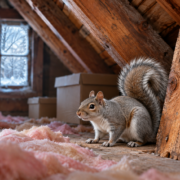
An attic offers shelter from wind, rain, and snow. It also tends to be quiet. Insulation, stored boxes, and tucked-away corners give rodents places to hide, and an attic can go weeks or months without anyone opening the hatch. Even an unheated attic can offer a sheltered place to spend the winter.

Different pests use that space in different ways. Mice and squirrels may use it for shelter or nesting. Some insects, including cluster flies, slip into attics or wall voids in the fall to wait out the colder months. You might first notice them around an upstairs window on a sunny winter day, well after they found their way inside.

How Pests Get In

Start by thinking about your home’s exterior. A loose vent cover, damaged trim near the roofline, or a gap where a pipe enters the house can provide an opening. Pests can also enter lower down and move through wall cavities, so the scratching you hear upstairs may have started with a gap much closer to the ground.

From ground level, take a look at the areas you can see clearly. Pay attention to roof edges, vents, siding transitions, and spots where cables or pipes pass through exterior walls. Look for missing screens, loose covers, and visible gaps. If you’ve recently had roofing, siding, or utility work done, check where the new materials meet the existing exterior. Those are useful areas to point out during an inspection.

Know Which Signs to Look For

Recurring noises are often what prompt homeowners to investigate. Other clues may show up while you’re getting holiday decorations or putting away summer gear. Keep an eye out for:

  • Scratching or scurrying that repeatedly comes from the same ceiling or wall.
  • Droppings near stored boxes, along edges, or close to the attic hatch.
  • Gnaw marks or disturbed insulation that weren’t there the last time you checked.
  • Several flies gathering at an upstairs window, particularly on a sunny day during cold weather.

Take note of where you see activity and when you hear it. A report of scratching above the same bedroom on three evenings gives a technician a better starting point than a general description of noise somewhere upstairs.

Address the Activity and the Entry Points

If you suspect an animal is already inside, have the opening evaluated before sealing it. Closing an active entry point too soon can trap an animal indoors. An inspection can help determine what’s using the space, where it’s getting in, and what needs to happen before repairs are made.

That repair work is called pest exclusion. It may involve replacing a damaged vent cover, repairing a screen, or closing gaps around exterior openings. The appropriate repair depends on the pest and how it got inside. Addressing those openings gives you a way to reduce the chance of dealing with the same problem again next fall.

Make Attic Pest Prevention Part of Your Fall Routine

Use the next time you swap out seasonal storage as a reminder to check for changes. From the attic hatch, look for disturbed insulation or signs around boxes you rarely move. Outside, keep track of loose vent covers or damaged trim so you can schedule repairs before winter weather makes them harder to address.

If the noises continue or you find signs of pest activity, Lincoln Pest & Property Solutions can inspect your property, identify possible entry points, and recommend pest control or exclusion work based on what we find.

Hearing something overhead? Contact Lincoln Pest & Property Solutions to schedule an inspection and find out what’s getting into your attic.

Lincoln Pest and Property Solutions is a locally owned and operated business serving Rhode Island & Southeastern Massachusetts. As one of the leading pest control companies in RI, our mission for over 35 years has been simple: Provide innovative and effective pest control solutions for your home or business, while maintaining a safe environment. We use the latest in eco-friendly technology to keep your home or place of business safe and pest free.
 

Mice vs. Rats: How to Tell What’s Invading Your Home

You hear scratching after dark. A bag of snacks has a hole in the corner. Then you spot something small darting along the wall.

You’re fairly sure you have an unwanted visitor. But is it a mouse or a rat?

The answer matters because identifying the pest helps determine where to inspect, how to address the activity, and what needs to happen to keep rodents from returning.

You don’t have to catch one in the act to find useful clues. Here’s what to look for and why the full picture matters more than any single sign.

Start With Size and Shape

If you get a clear look, adult mice and rats have noticeable differences.

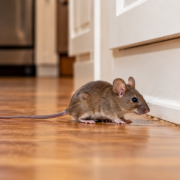
House mice have small, slender bodies, pointed noses, and ears that look relatively large compared with their heads. Adult rats are larger and more heavily built.

However, a young rat can be mistaken for a mouse. Its proportions can offer clues: young rats tend to have comparatively large feet and heads.

A quick glimpse across the garage may not be enough for a confident identification. If you can safely take a photo without approaching or cornering the animal, it may help a professional determine what you’re seeing.

Notice Droppings Without Disturbing Them

Droppings are often easier to find than the rodents themselves.

Mouse droppings are generally small and narrow, while rat droppings are larger. Their shape can vary by species, so size alone should not be your only identification method.

Pay attention to where you find them: inside cabinets, along walls, near pet food, or around stored belongings. That location can help guide an inspection.

Avoid touching droppings or breaking them apart to examine them. Take a photo from a safe distance instead.

Also, don’t assume one small group means only one rodent is present. An inspection may uncover additional activity in less visible areas.

Follow the Damage

Chewed food packaging, damaged storage containers, and disturbed belongings can all point to rodent activity.

Look around pantry shelves, beneath sinks, behind appliances, and along the edges of storage areas. Shredded paper or other gathered material may indicate nesting nearby.

Both mice and rats can gnaw, so a damaged cereal box won’t settle the identification question. The size of the damage, nearby signs, and possible entry routes need to be considered together.

If you notice damaged electrical wiring, avoid handling it and contact a qualified electrician. Pest control and electrical repairs address different parts of that problem.

Consider Where Activity Is Happening

The location of the evidence can help narrow the search, but it doesn’t provide a definitive answer.

Mice can occupy small concealed spaces throughout a home. Rat behavior varies by species: Norway rats often use ground-level areas and burrows, while roof rats are skilled climbers that may occupy elevated spaces.

Finding activity upstairs doesn’t automatically mean mice, just as basement activity doesn’t automatically mean rats.

Make a note of each location where you notice evidence. Sharing that information helps a pest professional build a more complete picture rather than focusing on only the first place you heard something.

Don’t Rely on Sounds Alone

Scratching in a wall can sound surprisingly loud, especially when the house is quiet.

It’s tempting to decide that a louder noise must mean a larger animal. But building materials can carry sound, and other pests may also be responsible.

Instead, record when and where the noise happens. Does it return near the same cabinet? Is it above the ceiling or beneath the floor? Have you noticed droppings or damage nearby?

Those observations are useful. Opening a wall or entering a difficult attic space to investigate on your own generally isn’t the best next step.

Handle Cleanup Carefully

Finding droppings often brings an immediate urge to grab the vacuum. Resist that urge.

CDC guidance advises against sweeping or vacuuming rodent waste before disinfecting it because those actions can put contaminated particles into the air.

For routine cleanup, follow CDC instructions, including ventilation, gloves, thoroughly wetting waste with an appropriate disinfectant, and allowing the recommended contact time before removal. Extensive infestations or contaminated ventilation systems require additional precautions.

Keep children and pets away from affected areas while you arrange cleanup and treatment.

Address What Brought Them Inside

Identifying the rodent is the beginning. Lasting control also means understanding access, food, shelter, and ongoing activity.

Store food securely, address spills, reduce clutter, and have potential entry points assessed. Discuss exclusion and treatment together so the work follows an appropriate plan for your home.

Lincoln Pest Solutions can help identify the signs, explain what’s happening, and recommend next steps. Whether you’ve found a chewed package or heard something in the wall, getting answers early helps you move forward with a clear plan.


Lincoln Pest and Property Solutions is a locally owned and operated business serving Rhode Island & Southeastern Massachusetts. As one of the leading pest control companies in RI, our mission for over 35 years has been simple: Provide innovative and effective pest control solutions for your home or business, while maintaining a safe environment. We use the latest in eco-friendly technology to keep your home or place of business safe and pest free.
How to Clean After You Remove Rodents

Finding out you have a rodent problem is bad enough. But even after the rodents are removed, the work isn’t over. Their nests, droppings, and contaminated materials can leave behind serious health risks and lasting damage. That’s why knowing how to properly clean up after a rodent infestation—and why hiring a professional matters—is just as important as removing the pests themselves.

What Is a Rodent Clean-Out?

A clean-out involves fully cleaning and sterilizing the areas where rodents nested or traveled. At Lincoln Pest & Property Solutions, this includes removing and replacing insulation in attics, vacuuming and clearing out drop ceiling areas, and sanitizing every surface affected by rodent activity.

These spaces often contain urine, feces, nesting material, and sometimes even deceased rodents—all of which can carry dangerous pathogens. Cleaning these areas thoroughly is critical not only for your health but also to ensure rodents aren’t attracted back to familiar nesting spots.

Sterilization Is Essential, Not Optional

Rodents can carry and spread a number of harmful bacteria and viruses, including hantavirus, salmonella, and leptospirosis. Simply vacuuming or spraying with common household cleaners isn’t enough to fully neutralize the risk. Professional sterilization ensures that every surface is properly disinfected and safe to reoccupy.

Lincoln Pest & Property Solutions uses DSV (Disinfectant • Sanitizer • Virucide)—one of the most powerful and effective disinfectants available today. This broad-spectrum solution is proven to kill dozens of strains of viruses and bacteria. In fact, it’s so effective that it’s used to combat the spread of the COVID-19 virus in both residential and commercial environments.

DSV also works as a fungicide, mildew stat, and deodorizer—eliminating odors and harmful spores that may linger after a rodent infestation.

The Dangers of DIY Cleanup

Trying to handle rodent clean-up on your own without the right equipment or protection can expose you to health risks. Disturbing contaminated materials can release airborne particles that may lead to respiratory illness or infection. Even if the area looks clean, dangerous bacteria can remain embedded in insulation, wall cavities, or ceiling tiles.

Hiring a professional ensures that contaminated materials are handled and disposed of safely, and that all surfaces are thoroughly disinfected using specialized tools and industry-grade sanitizing agents.

Why Choose Lincoln Pest & Property Solutions?

Our team goes beyond pest removal. We offer complete clean-out and sterilization services that restore your property to a safe, healthy condition. Whether rodents were nesting in your attic insulation or running through your drop ceiling, we’ll clear, clean, and sanitize every affected area.

With decades of experience and a reputation for thorough, professional work, we’ve helped homeowners and businesses across the region recover from pest infestations with confidence.

Final Thoughts

Rodent removal is just the first step. For your safety and peace of mind, it’s essential to follow through with proper cleaning and sterilization. Trust the professionals at Lincoln Pest & Property Solutions to ensure your space is not only rodent-free—but truly clean, healthy, and safe.

Contact us today to schedule a rodent clean-out or learn more about our disinfection and sanitizing services.

Lincoln Pest and Property Solutions is a locally owned and operated business serving Rhode Island & Southeastern Massachusetts. As one of the leading pest control companies in RI, our mission for over 35 years has been simple: Provide innovative and effective pest control solutions for your home or business, while maintaining a safe environment. We use the latest in eco-friendly technology to keep your home or place of business safe and pest free.

Rodent Entry Assessments Versus Exclusions

Rodents are more than just a nuisance; they pose serious health risks and can cause costly damage to homes and businesses. Preventing an infestation starts with identifying how these pests are getting inside and taking the right steps to keep them out. This is where rodent entry assessments and exclusion services come into play.

At Lincoln Pest Control, we offer both entry assessments and exclusion services, but it’s important to understand that these are two separate services. An assessment helps determine where and how rodents are entering, while exclusion involves sealing those entry points to prevent future infestations. Let’s take a closer look at each service and how they work together to protect your home or business.

What Is a Rodent Entry Assessment?

A rodent entry assessment is the first step in identifying the vulnerabilities in your home or building that may be allowing rodents inside. During an assessment, a pest control professional will:

  • Inspect the property for potential entry points, including cracks, holes, vents, and gaps in doors or windows.
  • Evaluate structural weaknesses that could be exploited by rodents.
  • Look for signs of rodent activity, such as droppings, gnaw marks, nesting materials, and grease trails.
  • Identify environmental factors that may be attracting rodents, such as food sources or clutter near entry points.

Once the assessment is complete, we provide a detailed report outlining problem areas and recommended solutions. In many cases, this leads to an exclusion service to seal off entry points and prevent rodents from coming back.

What Is Rodent Exclusion?

Rodent exclusion is a proactive service that involves sealing off entry points to prevent rodents from getting inside. This is the most effective long-term solution for rodent control, as it stops the problem at its source rather than relying solely on trapping or baiting.

Exclusion measures may include:

  • Sealing cracks and gaps in the foundation, walls, and roof.
  • Installing rodent-proof barriers on vents, chimneys, and crawl spaces.
  • Reinforcing door sweeps and window seals to eliminate gaps.
  • Repairing or replacing damaged screens and entry points in garages, basements, and attics.

Because every home or business is different, exclusion services are customized based on the findings of the entry assessment. While some properties may require only minor repairs, others may need more extensive exclusion work to keep rodents out permanently.

Why an Assessment Often Leads to Exclusion

A rodent entry assessment is designed to diagnose the problem, while an exclusion service is the solution. In many cases, once an assessment is completed, it becomes clear that exclusion services are necessary to fully protect the property.

  • An assessment does not automatically include exclusion – it identifies problem areas but does not seal them.
  • Exclusion is a separate service that must be scheduled based on the assessment’s findings.
  • Addressing entry points early prevents infestations and reduces the need for repeated pest control treatments.

If rodents have already entered the property, exclusion is often paired with additional control methods, such as trapping and baiting, to remove any existing pests before sealing entry points.

Which Service Do You Need?

  • If you suspect rodents but aren’t sure how they are getting in, start with a rodent entry assessment to identify vulnerabilities.
  • If you already know where rodents are entering, or if an assessment has confirmed problem areas, schedule a rodent exclusion service to seal off entry points and prevent future infestations.

At Lincoln Pest Control, we provide comprehensive rodent control solutions, from thorough entry assessments to expert exclusion services. Whether you need to identify, remove, or prevent rodents, our team is here to help.

Schedule an assessment today and take the first step toward a rodent-free home or business.

Lincoln Pest and Property Solutions is a locally owned and operated business serving Rhode Island & Southeastern Massachusetts. As one of the leading pest control companies in RI, our mission for over 35 years has been simple: Provide innovative and effective pest control solutions for your home or business, while maintaining a safe environment. We use the latest in eco-friendly technology to keep your home or place of business safe and pest free.
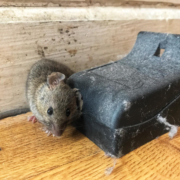
End of Year Message

As 2024 comes to a close, we at Lincoln Pest Control are taking the time to reflect on a year filled with progress, commitment, and meaningful connections with our customers. This year, our team worked tirelessly to ensure that your homes and businesses remained pest-free, providing peace of mind and dependable service every step of the way.

A Commitment to Excellence in Pest Control

The pest control industry is constantly evolving, and we pride ourselves on staying ahead of the curve. Throughout 2024, we made it a priority to:

  • Stay up to date on best practices: By attending industry training and investing in advanced technologies, our team has continued to refine our methods and offer the most effective and eco-friendly pest control solutions available.
  • Enhance our services: We’ve integrated new techniques to address pest issues quickly and sustainably, ensuring our customers receive the highest level of care and protection.

Thank You to Our Valued Customers

We owe our success to you—our loyal customers. Your trust in our team inspires us to do our best every day. Whether we’ve helped you with preventative treatments, urgent pest concerns, or seasonal services, we are honored to be your trusted partner in pest control.

Looking Ahead to 2025

As we prepare for the year ahead, we are excited to build on the progress we’ve made. In 2025, Lincoln Pest Control will continue to uphold our commitment to innovation, reliability, and exceptional service. No matter the challenge, our team is ready to protect your property and provide solutions you can depend on.

From all of us at Lincoln Pest Control, we wish you and your loved ones a safe, happy, and pest-free New Year!

Lincoln Pest and Property Solutions is a locally owned and operated business serving Rhode Island & Southeastern Massachusetts. As one of the leading pest control companies in RI, our mission for over 35 years has been simple: Provide innovative and effective pest control solutions for your home or business, while maintaining a safe environment. We use the latest in eco-friendly technology to keep your home or place of business safe and pest free.
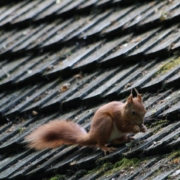
Five Signs of Rats In Your House

Rats are more than just unwelcome guests; they can bring health risks, property damage, and even structural concerns to your home. Recognizing the signs of a rat infestation early on can help prevent a minor problem from turning into a major headache. At Lincoln Pest Control, we want to equip you with the knowledge to identify and address these unwelcome visitors promptly. Here are five common signs that you might have rats in your home.

Droppings

One of the most visible signs of a rat infestation is the presence of droppings. Rat droppings are typically dark, small, and shaped like pellets. You’ll often find them in areas where rats are most active, like the kitchen, pantry, attic, or near garbage bins. Fresh droppings are soft and dark, while older droppings become dry and brittle. If you notice droppings accumulating in specific areas, it’s a clear indication that rats may be nearby.

Gnaw Marks

Rats have strong teeth that grow continuously, so they need to chew on hard materials to keep them filed down. This behavior often leaves gnaw marks on surfaces around your home. Commonly chewed items include furniture, wooden beams, wires, and food packaging. Fresh gnaw marks are typically light in color and darken over time. Rats chewing on electrical wires can also be a fire hazard, making it critical to address this issue as soon as you spot evidence of their chewing.

Nests and Burrows

Rats will create nests using materials they find around the house, such as shredded paper, fabric, insulation, or even cardboard. Nests are usually found in hidden, warm, and undisturbed areas like basements, attics, and inside walls. If you notice small piles of shredded materials or nests, it’s a strong indication that rats are nesting in your home. You might also spot burrows outside near foundations or in overgrown areas close to your home’s exterior.

Footprints and Tail Marks

In dusty or undisturbed areas, you may notice rat footprints or tail marks. Rats typically have four-toed front feet and five-toed hind feet, so look for tracks with these patterns in places like basements, attics, or hidden corners. You can check for active movement by sprinkling a small layer of flour or talcum powder in suspected areas and looking for new tracks the following day. If you find fresh marks, it’s a strong sign that rats are moving through these areas.

Noises in the Walls or Attic

Rats are nocturnal, so they’re most active at night. If you hear scratching, scurrying, or squeaking sounds coming from within walls, ceilings, or the attic, rats may be the cause. These noises often occur as rats move through your home in search of food or while they nest. The sounds may intensify if there is a significant infestation, making it essential to address the issue quickly before it worsens.

How Lincoln Pest Control Can Help

Detecting a rat infestation early is crucial to preventing the problem from growing out of control. At Lincoln Pest Control, our experienced technicians provide comprehensive rodent control solutions to keep your home safe. We use a combination of effective treatments and exclusion methods to eliminate existing infestations and prevent rats from returning.

If you’ve noticed any of these signs or suspect rats may have found their way into your home, contact us today. Our team is here to help you regain peace of mind with safe, professional pest control services tailored to your needs.

Lincoln Pest and Property Solutions is a locally owned and operated business serving Rhode Island & Southeastern Massachusetts. As one of the leading pest control companies in RI, our mission for over 35 years has been simple: Provide innovative and effective pest control solutions for your home or business, while maintaining a safe environment. We use the latest in eco-friendly technology to keep your home or place of business safe and pest free.

Potential Damage Caused by Squirrels

Squirrels may seem like harmless, furry creatures, but when they make their way into your home, they can cause significant damage. While they are often seen scampering through trees, squirrels are notorious for finding their way into attics, crawl spaces, and walls. Once inside, they can create a variety of problems that may lead to costly repairs and safety hazards. At Lincoln Pest Control, we understand the importance of addressing squirrel infestations quickly and effectively before they cause serious harm to your home.

How Squirrels Get Into Your Home

Squirrels are incredibly agile and can easily access roofs, siding, and vents. They often enter homes through:

  • Roof Gaps and Vents: Small openings in your roof, soffits, or vents provide easy access for squirrels looking for a place to nest.
  • Chimneys: Squirrels can climb down chimneys in search of warmth, which is why chimney caps are essential.
  • Weak Spots in Siding: Any weaknesses or holes in your home’s exterior siding can serve as entry points for squirrels.

The Damage Squirrels Can Cause

Once squirrels find their way into your home, they can create a range of problems that go far beyond just being a nuisance. Here’s a look at the potential damage they can cause:

Chewing Through Wires

One of the most dangerous problems caused by squirrels is their tendency to chew on electrical wiring. Squirrels’ teeth grow continuously, so they instinctively gnaw on things to keep them from getting too long. Electrical wires are often one of their targets, which can result in:

  • Fire Hazards: Exposed wires can easily spark and lead to electrical fires, putting your entire home and family at risk.
  • Power Outages: Damaged wiring may also cause disruptions in your electrical systems, leading to costly repairs and the need for rewiring.
Structural Damage

Squirrels are capable of causing significant structural damage to your home. They can:

  • Chew on Wood: Squirrels often gnaw on wooden beams, trusses, and rafters, weakening the structural integrity of your home over time.
  • Tear Up Insulation: Squirrels use insulation as nesting material, which can lead to insufficient insulation and increased energy bills.
  • Damage to Roofs and Eaves: Squirrels can chew through roof shingles and eaves, creating entry points for water leaks that can lead to mold growth and further damage.
Contamination from Feces and Urine

Squirrels, like any wild animal, leave behind waste in the form of feces and urine. Over time, this can lead to:

  • Health Hazards: Squirrel droppings can carry diseases such as leptospirosis and salmonella, posing a health risk to your family.
  • Odor Issues: The smell of urine and droppings can permeate your home, creating unpleasant odors that are difficult to eliminate.
  • Damage to Drywall and Insulation: Over time, the accumulation of squirrel waste can saturate drywall and insulation, leading to structural damage and the need for replacement.
Nesting and Breeding

Squirrels may use your attic or walls as a safe place to nest and raise their young. This can result in:

  • Persistent Infestations: If squirrels breed inside your home, the population can quickly grow, making the infestation harder to control.
  • Blocked Vents: Squirrels may build nests in venting systems, causing blockages that can affect airflow, heating, and cooling efficiency.

Signs of a Squirrel Infestation

Identifying a squirrel problem early can help you avoid costly damage. Some common signs of squirrel activity in your home include:

  • Scratching Noises: Squirrels are active during the day, so if you hear scratching, scurrying, or gnawing sounds coming from your attic or walls, you likely have squirrels inside.
  • Droppings: Squirrel droppings are small, pellet-like, and can be found in attics or near entry points.
  • Chewed Wires or Wood: Look for signs of gnawed wood or frayed electrical wires, especially in your attic or basement.
  • Entry Points: Check your roof, vents, and eaves for gaps, holes, or other damage that may indicate a squirrel’s entry.

Preventing Squirrel Damage

To protect your home from squirrels, it’s important to take preventative measures, including:

  • Sealing Entry Points: Inspect your home for gaps, cracks, or openings in the roof, walls, or foundation, and seal them to prevent squirrels from getting inside.
  • Installing Chimney Caps: A chimney cap will prevent squirrels from entering your home through the chimney.
  • Trimming Trees: Keep tree branches trimmed away from your roof to make it harder for squirrels to access your home.

How Lincoln Pest Control Can Help

If you suspect a squirrel infestation, it’s essential to take action quickly to avoid further damage. At Lincoln Pest Control, we offer comprehensive squirrel removal and exclusion services to protect your home. Our expert team will:

  • Conduct a thorough inspection to identify entry points and assess damage.
  • Safely remove squirrels from your home using humane trapping methods.
  • Seal entry points to prevent future infestations.
  • Provide repair services to address any damage caused by squirrels, including insulation replacement, roof repairs, and wiring fixes.

While squirrels may seem cute and harmless, they can cause significant damage to your home if left unchecked. From chewing through wires to contaminating your attic with waste, a squirrel infestation can lead to safety hazards, structural damage, and costly repairs. Lincoln Pest Control is here to help you protect your home from these destructive pests. Contact us today for expert squirrel removal and prevention services and let us safeguard your property from potential damage.

Lincoln Pest and Property Solutions is a locally owned and operated business serving Rhode Island & Southeastern Massachusetts. As one of the leading pest control companies in RI, our mission for over 35 years has been simple: Provide innovative and effective pest control solutions for your home or business, while maintaining a safe environment. We use the latest in eco-friendly technology to keep your home or place of business safe and pest free.