
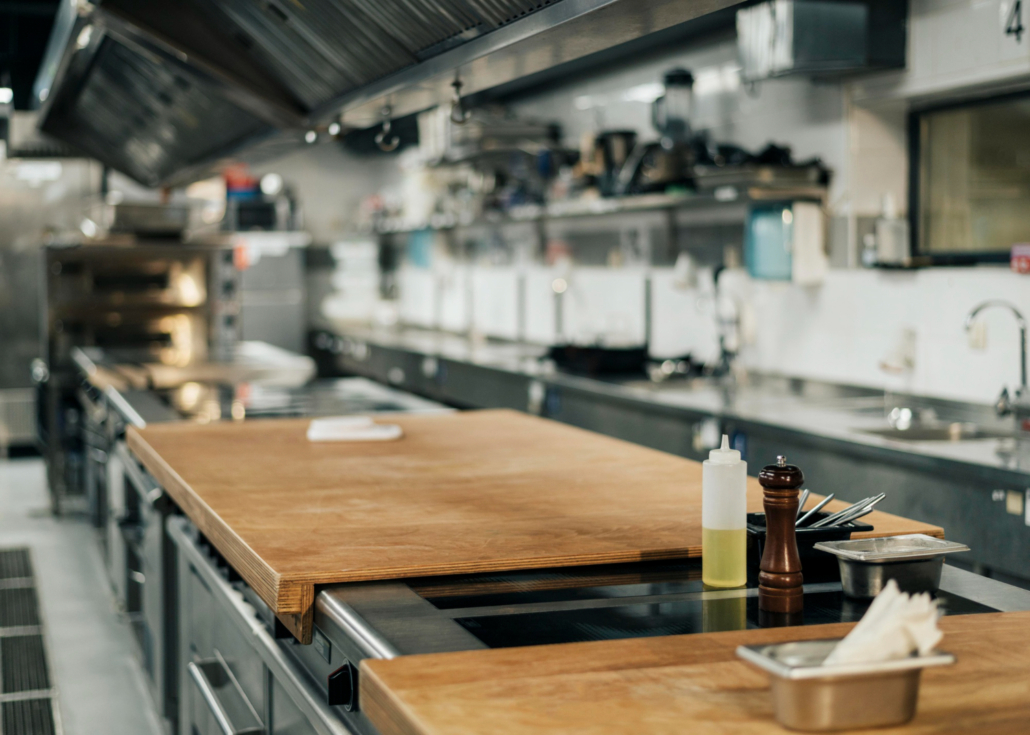
Pest Risk in Commercial Kitchens
Commercial kitchens operate in fast-paced, high-demand environments that make them especially vulnerable to pest activity. With constant food preparation, heavy foot traffic, warm appliances, moisture, and frequent deliveries, restaurants and food service facilities create ideal conditions for pests to thrive. If these risks are not addressed early, they can lead to food contamination, failed inspections, damaged equipment, and long-term harm to a business’s reputation. Lincoln Pest & Property Solutions has spent decades helping commercial kitchens in Rhode Island and Southeastern Massachusetts stay protected, compliant, and pest free. Here is what every food service operation needs to know.
Why Commercial Kitchens Are High-Risk Environments
A commercial kitchen contains everything pests need to survive. Food debris, grease, standing water, and hard-to-reach crevices provide access to shelter and nutrition. Warm equipment, storage rooms, dumpsters, and delivery zones add even more opportunities for pests to enter or take hold. Because kitchens stay busy from morning until late at night, keeping up with sanitation and structural maintenance can be challenging. Even a small oversight can create an opening for rodents or insects to invade.
Common Pests Found in Commercial Kitchens
Rodents (rats and mice)
Rodents can chew through packaging, wiring, and insulation. They spread contaminants and carry diseases that threaten both safety and sanitation.
Cockroaches
Roaches thrive in dark and humid areas behind appliances, in drains, and in storage zones. Their presence can spread bacteria and trigger allergies.
Ants
Ants are attracted to sugar, grease, and moisture. In a kitchen environment, they often appear in lines near drains, counters, and storage shelving.
Flies and drain pests
Fruit flies, houseflies, and drain flies are common in kitchens with standing water, floor drains, or food waste. They are a major source of contamination.
Birds and bats
Open loading docks, rooftop vents, and exterior access points can allow birds or bats to create nesting or roosting areas that lead to sanitation concerns.
How Pest Activity Impacts Your Business
A pest problem is more than a nuisance in a commercial kitchen. It can quickly escalate into a threat to your business. A single rodent or cockroach can lead to a failed health inspection and temporary closure. Repeated violations may put food service licenses at risk. Customers who witness or hear about pests may avoid your establishment, and negative reviews spread quickly online. Damage to wiring or electrical equipment can also result in costly repairs and unplanned downtime. When pest risks are ignored, the financial and reputational consequences can be significant.
Preventing Pests in Commercial Kitchens
Lincoln Pest & Property Solutions uses a prevention-first approach for food service environments. Our programs focus on eliminating entry points, reducing attractants, and monitoring activity before it becomes a larger issue.
Our services often include:
- Detailed inspections to identify risks, access points, moisture issues, and sanitation gaps
- Exclusion work such as sealing holes, correcting gaps around doors or pipes, and installing door sweeps or screens
- Sanitation recommendations that align with your kitchen’s cleaning schedule and waste management needs
- Ongoing monitoring through insect light traps, rodent stations, and drain evaluations
- Fast response and remediation when pest activity is found
- Documentation that supports compliance during state or local health inspections
This combination of prevention, monitoring, and rapid response helps keep commercial kitchens safe and compliant all year long.
Best Practices for Kitchen Staff
Your team plays an important role in maintaining a pest-free environment. A few consistent habits can significantly reduce the risk of infestations.
- Clean spills and food debris immediately
- Store ingredients in sealed containers and off the floor
- Keep floor drains and sink drains clear and regularly sanitized
- Move equipment periodically to clean behind and beneath appliances
- Monitor dumpsters and outdoor waste areas for spills or overflow
- Inspect deliveries for signs of pest activity before bringing items inside
When staff members understand what attracts pests and how to limit those attractants, prevention becomes much easier.
Why Businesses Choose Lincoln Pest & Property Solutions
With more than 35 years of experience, Lincoln Pest & Property Solutions understands the complexity of managing a commercial kitchen. Our licensed and insured technicians know how to identify subtle warning signs, correct structural vulnerabilities, and implement long-term solutions that protect your business. We focus on creating safe, sanitary, and fully compliant environments so your team can focus on serving customers instead of battling pest issues.
Pest risk in commercial kitchens is constant, but the right preventive strategy can protect your staff, your customers, and your reputation. Whether you operate a restaurant, cafeteria, catering company, or institutional kitchen, consistent monitoring and expert pest management are essential to keeping your facility safe. Lincoln Pest & Property Solutions is committed to helping commercial kitchens stay clean, compliant, and pest free. Reach out anytime to discuss a customized program that fits the needs of your operation.
Lincoln Pest and Property Solutions is a locally owned and operated business serving Rhode Island & Southeastern Massachusetts. As one of the leading pest control companies in RI, our mission for over 35 years has been simple: Provide innovative and effective pest control solutions for your home or business, while maintaining a safe environment. We use the latest in eco-friendly technology to keep your home or place of business safe and pest free.


